Pages

Showing posts with label Science. Show all posts

Tuesday, 6 August 2019

Hurumanu-Recycling

Hurumanu - Recycling


Aim: To learn practical ways of recycling so that we can make our world a better place.


Video questions:

What has human activity done to our planet?
Created Globule Activity

What is Zero Waste?
Definition: One of the Quickest and cheapest ways a community can immediately reduce climate impact.

What stuff has a carbon footprint? 
Toothbrush
Food
Tv 


What are 4 easy things to help our planet?

  1.   Reduce
  2.   Redesign
  3.  Reuse
  4.  Repair
What do we need to recycle?
  1. Cans 
  2. Plastic
  3. Carpet
  4. fixing old ran down things

What does recycling do to our planet?


How much of our rubbish is made up of food scraps?
50%=COMPOSTABLE MATERIEL

What does methane gas do to our planet?
84X More Potent than C02 over the short term

What does soil do to carbon dioxide in the atmosphere?
Help pulls it down from the Atmosphere


What do using zero waste practices do to our planet?
 Using things like windmills for energy 


    What is a carbon footprint?


    What is your Carbon Footprint?


    You are now going to look at your own carbon footprint by taking a questionirre. Remember to 'Add details to improve accurcay'.

    Based on the questionaire what is your:

    1. Ecological Footprint
    2. Carbon Footprint

    How many planets did you have?


    What is your personal Earth overshoot day?

    ENERGY SAVING TIPS FILM


    Name 4 of the tips.

    1.   
    2.   
    3.   

    MY INVESTIGATION.


    Image result for rates of decomposition


    • Choose 6 items from the list.
    • Investigate them using Google.
    • Answer the 4 questions below.


    Name: 
    1. How long does this resource take to decompose?
    2. What resource / fossil fuel are they made from?
    3. How does making this object contribute to climate change?
    4. How is this resource recycled?


    Tuesday, 23 July 2019

    Hurumanu Science

    Hurumanu: The Water Cycle


    AIM: TO LOOK AT THE WATER CYCLE AND HOW CLIMATE CHANGE IS AFFECTING IT.

    Definition:


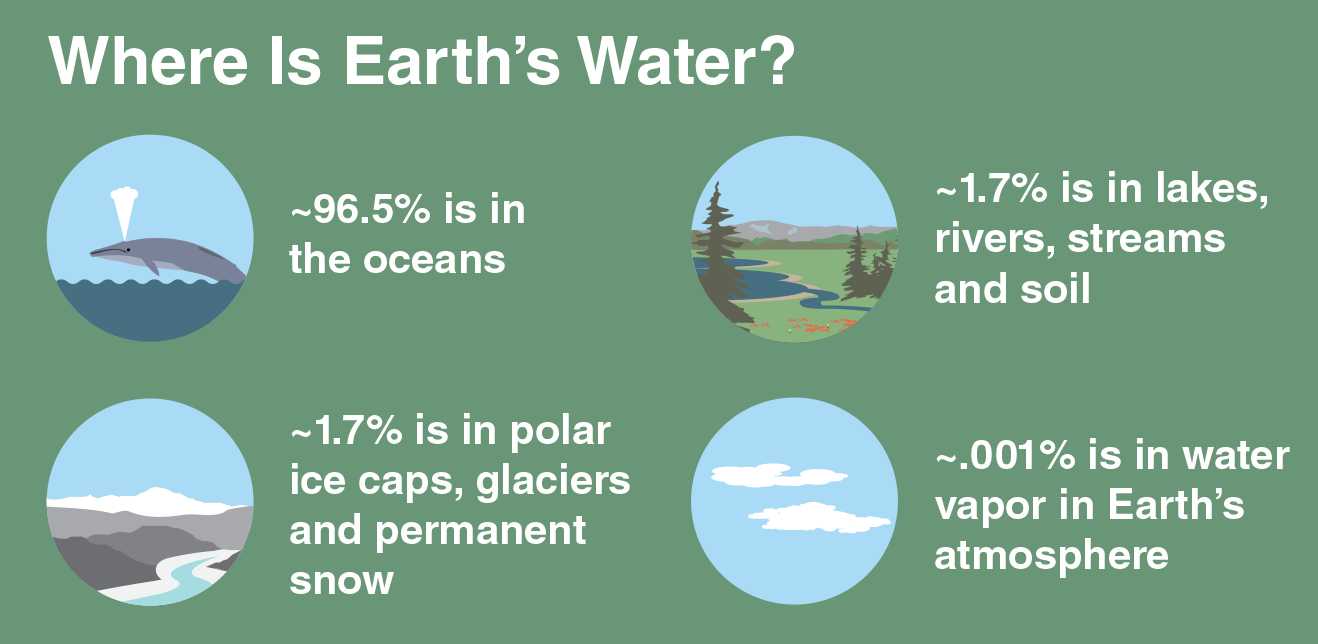
    A green box with icons and white text. Text reads: Where is Earth's Water? 96.5 percent is in the oceans; 1.7 percent is in lakes, rivers, streams, and soil; 1.7 percent is in polar ice caps, glaciers, and permanent snow; 0.001 percent is in water vapor in Earth's atmosphere

    Scientific words:


    • Evaporation. When water is heated by radiant energy it turns into water vapor.
    • Transpiration. Evaporation from plants.
    • Condensation. When water vapor cools, molecules join together and form clouds.
    • Precipitation. When clouds get heavy the waters falls as rain, sleet, hail, or snow.
    • Acidification: the action or process of making or becoming acidic.

    We will be conducting an experiment that looks at the different ways that climate change is affecting the water cycle.
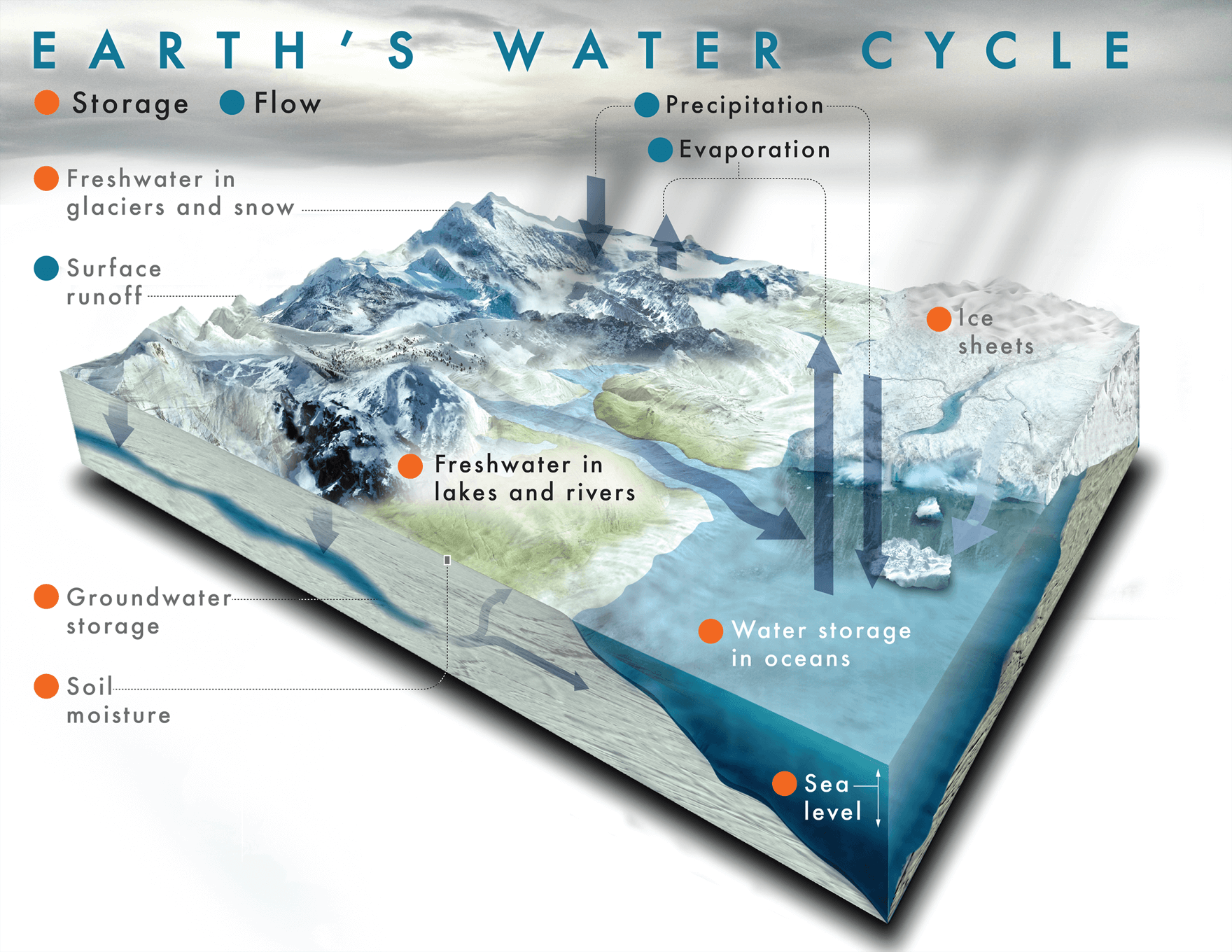
    An illustration of the water cycle showing how water travels from rivers and streams to clouds to snow and back again

    THE WATER CYCLE EXPERIMENT

    Bag 1: Normal Water cycle
    Bag 2: Water cycle with CO2 added: like Oceans in climate change
    Bag 3: Water cycle with ice added: like Antarctica in climate change

    Material:

    1.  Water/Soda Water
    2.  Bag
    3.  Food Colouring
    4.   Litmus Paper

    Steps:

    1.  Get the Marker and the Bag from the teacher
    2. Draw the water cycle on the bag 
    3.  Go up to get 1 cup  of water or soda water 
    4.  Put 2 drops of food colouring
    5. Hang the bag up on the window

    Two Images:


    Findings:


    The Water Cycle: Bag 1
    CO2 Water Cycle: Bag 2
    Acid
    Desert Water Cycle
    Bag 3
    Does it cycle?
    YesYesYes
    Amount of Water
    222
    Acidity
    13 1

    Key: Water and acidity amount: 1 = none 
    2 = small 
    3 = large 

    Other comments:

    1. Bag 1 Cycled water
    2. Bag 1 had a small amount of water
    3. Bag 1 had none Acidity
    4. Bag 2 Cycled Water
    5. Bag 2 Had a small amount of water
    6. Bag 2 had a large amount of Acidity
    7. Bag 3 Cycled
    8. Bag 3 had a small amount of water
    9. Bag 3 Had none Acidity

    Conclusion:

    Bag 1  Had Cycled water, Had a small amount of water and had no Acidity.
    Bag 2 Cycled water, Had a small amount of water and Had a large Acidity.
    Bag 3  Cycled the water, had a small amount of water and had no Acidity.


    Draw a labelled diagram of the Water Cycle

    Water cycle words:
    1. Precipitation
    2. Hurricanes
    3. Acid rain
    4. Evaporation
    5. Carbon Dioxide
    6. Water
    7. Defirestation
    8. Water vapour
    9. Transpiration
    10. Flooding


    TODAY YOU WILL BE INVESTIGATING THE EFFECTS THAT CLIMATE CHANGE HAS ON THE WATER CYCLE.

    1. Using your SOLO hexagons poster write a paragraph about the different aspects of climate change.
    2. Write about the following Climate Change concepts:
    You can do these by powerpoint, embedding a movie , on your blog, on a doc or any other form of presentation. It is up to you.

    ACIDIFICATION: HOW DOES CLIMATE CHANGE CONTRIBUTE TO THE ACIDIFICATION OF OUR OCEANS?


    Picture:


    Diagram of how it affects the water cycle.


    DEFORESTATION: HOW DOES DEFORESTATION AFFECT CLIMATE CHANGE?


    Picture:


    Diagram of how it affects the water cycle.


    ICE CAP MELT: HOW DOES ICE CAP MELT AFFECT CLIMATE CHANGE?


    Picture:


    Diagram of how it affects the water cycle.


    WATER VAPOUR: HOW DOES CLIMATE CHANGE CONTRIBUTE TO WATER VAPOUR AND EVAPORATION?


    Picture:


    Diagram of how it affects the water cycle.


    Tuesday, 25 June 2019

    Hurumanu- Climate Change

    Hurumanu - Climate Change


    Aim: To look at the causes of climate change and how to prevent it.


    As you watch the video answer these questions:

    What is our greatest threat in thousands of years? Climate Change

    How do we see climate change affecting the globe?


    1. Flood,
    2. wind,
    3. Storms,
    4. Heat Waves


    What is needed to change history?


    Is climate change a man made distaster?
    Yes, because we are burning fossil fuels

    Dramaitc action must be made in the next 10 years to change it?

    Why is our climate changing?
    our world is getting Hot

    What is causing the warming trend of the climate? The Heat

    What is the main problem?
    The Heat,the animals Dying


    What are examples of these?

    Burning fossil fuels releases what gas?


    How much hotter now is our world?


    What do we call this global warming?

    How is this affecting creatures / animals like bats?
    The Heat,the animals Dying


    What percentage of species are near exteinction?

    How could this effect the world ecosystems?

    What global change was seen and recording breaking last year?

    How is climate change affecting our weather systems?
    1. 
    2. 
    3. 

    What is another ettect of climate change?

    What will happen if the ice melts in Antarctica and the Arctic?

    How does this affect people?

    What other things affect oceans change?

    What does to much heat do to coral?

    Why did some industries not want to stop burning fossil fuels?


    Stop at 23.39

    Investigation

    You can decide on how you would like to do this investigation. Your presentation could be on the blog, slides, or Powerpoint.

    Write a definition, upload an image and list where these fossil fuels are mined.

    1. Coal:a combustible black or dark brown rock consisting chiefly of carbonised plant matter, found mainly in underground seams and used as fuel.
    2. Oil:A Liquid from petroleum ecpeicially for use as petrol.
    3. Natural Gas: Flammeble gas 
    Write a paragraph and upload an image about each of these renewable energy.


    1. Solar
    2. Wind
    3. Waves
    4. Hydro

    Write a 6 sentence reflection about what you have learnt about Climate Change and how it is going to affect us.  

    Hurumanu - Climate Change


    Aim: To look at the causes of climate change and how to prevent it.


    As you watch the video answer these questions:

    What is our greatest threat in thousands of years?

    How do we see climate change affecting the globe?
    1.   
    2.   

    3.   


    What is needed to change history?

    Is climate change a man made distaster?

    Dramaitc action must be made in the next __ years to change it?

    Why is our climate changing?

    What is causing the warming trend of the climate?

    What is the main problem?

    What are examples of these?

    Burning fossil fuels releases what gas?

    How much hotter now is our world?

    What do we call this global warming?

    How is this affecting creatures / animals like bats?

    What percentage of species are near exteinction?

    How could this effect the world ecosystems?

    What global change was seen and recording breaking last year?

    How is climate change affecting our weather systems?
    1. 
    2. 
    3. 

    What is another ettect of climate change?

    What will happen if the ice melts in Antarctica and the Arctic?

    How does this affect people?

    What other things affect oceans change?

    What does to much heat do to coral?

    Why did some industries not want to stop burning fossil fuels?


    Stop at 23.39

    Investigation

    You can decide on how you would like to do this investigation. Your presentation could be on the blog, slides, or Powerpoint.

    Write a definition, upload an image and list where these fossil fuels are mined.

    1. Coal:a combustible black or dark brown rock consisting chiefly of carbonized plant matter, found mainly in underground seams and used as fuel.
    2. Oil:a viscous liquid derived from petroleum, especially for use as a fuel or lubricant.
    3. Natural Gas:flammable gas, consisting largely of methane and other hydrocarbons, occurring naturally underground (often in association with petroleum) and used as fuel.


    Write a paragraph and upload an image about each of these renewable energy.


    1. SolarImage result for Solar energy Solar Energy Refers to capturing the sun and converting it into Electricity. Japan and Italy Use solar energy.
    2. Wind:Image result for Wind definition Wind Energy is a type of breeze cause in the air.China and Spain both use Wind energy
    3. WavesImage result for wave energy definition Wave energy is Made inside of water. Usa And China both use Wave Energy
    4. Hydro

    Write a 6 sentence reflection about what you have learnt about Climate Change and how it is going to affect us.  

    Friday, 14 June 2019

    Science

    WATCH THIS VIDEO AND COMPLETE THE INVESTIGATION.

    THE BIG PICTURE


    • What animals keep our jackets warm? sheep and ducks
    • What animal makes our boots waterproof? Cows 
    • Where does the water in our rivers come from? Mountains
    • Why do we need healthy rivers? so we dont get sick,Clean Water to drink,Heathy fish.
    • What are some of the good things about mosquitoes? They keep the rivers clean,The fish give food to eat on.
    • Why are bees dying?  because there could be a preditor on its body
    • What do bugs do to our leaves? Eat out leaves
    • Reduce:
    • REDUCE TAKE SOMETHING ALREADY THERE 
    • Re-use:
    • REUSE USED AGAIN
    • Recycle:
    • RECYCLE  SAVE THE PLANET
    • How much dung would we be in if there were no dung de- composers?Dung is the favorite food of hundreds of thousands of useful decomposer species.
    • Who runs this planet? Animals

    Tuesday, 11 June 2019

    Science Badges

    Hurumanu - Science Badges: Introduction

    Science Badges:


    Image result for science badge  

    'Conservation'  

    • Climate Science
    • Global Warming
    • Recycling
    • Renewable Energy
    • Fossil Fuels
    • Ecology
    • Our Planet
    • Water
    • Plants
    1. 15 Points are needed to get a badge
    2. A high standard of work.
    • All experiments are written up ( Aim, Materials, Steps, Conclusion)
    • Two photos of your experiment
    • 6 sentences at least for a conclusion

    Science will be twice per week.

    • Lesson 1: This will be an Experiment that involves blogging. You will be expected to open a new post, copy Mr Palmer's blog and paste it on your new post.
    • Lesson 2: This will be an Investigation that relates to the topic from Lesson 1. It will be own choice and displayed in a way that you prefer. For example - PowerPoint, Doc, etc

    BLOGGING.


    All the blogs and science lessons will be displayed on Mr Palmers blog: 

    Bookmark it!

    Expectations:
    • 1 blog must be completed per Hurumanu lesson.
    • A completed blog must have the four headings ( Aim, Method, Findings, Conclusion), correct writing and punctuation under each heading and be published. No post, no points.
    • 2 images of the experiment / investigation on the blog.
    Using the Scientific method of investigation:

    Aim: What the experiment / investigation is about.
    Method: Instructions on how the experiment / investigation is carried out. This includes the equipment.
    Findings: What have we learnt or found out from our experiment / investigation. This is called Data, Information or Facts. It is displayed in a chart, table or picture.
    Conclusion:  

    My Hurumanu Science Goals:


    1. Post all my blog posts. 

    2. Get My Science badge.

    3.  Ask for help if I need it.